
Author
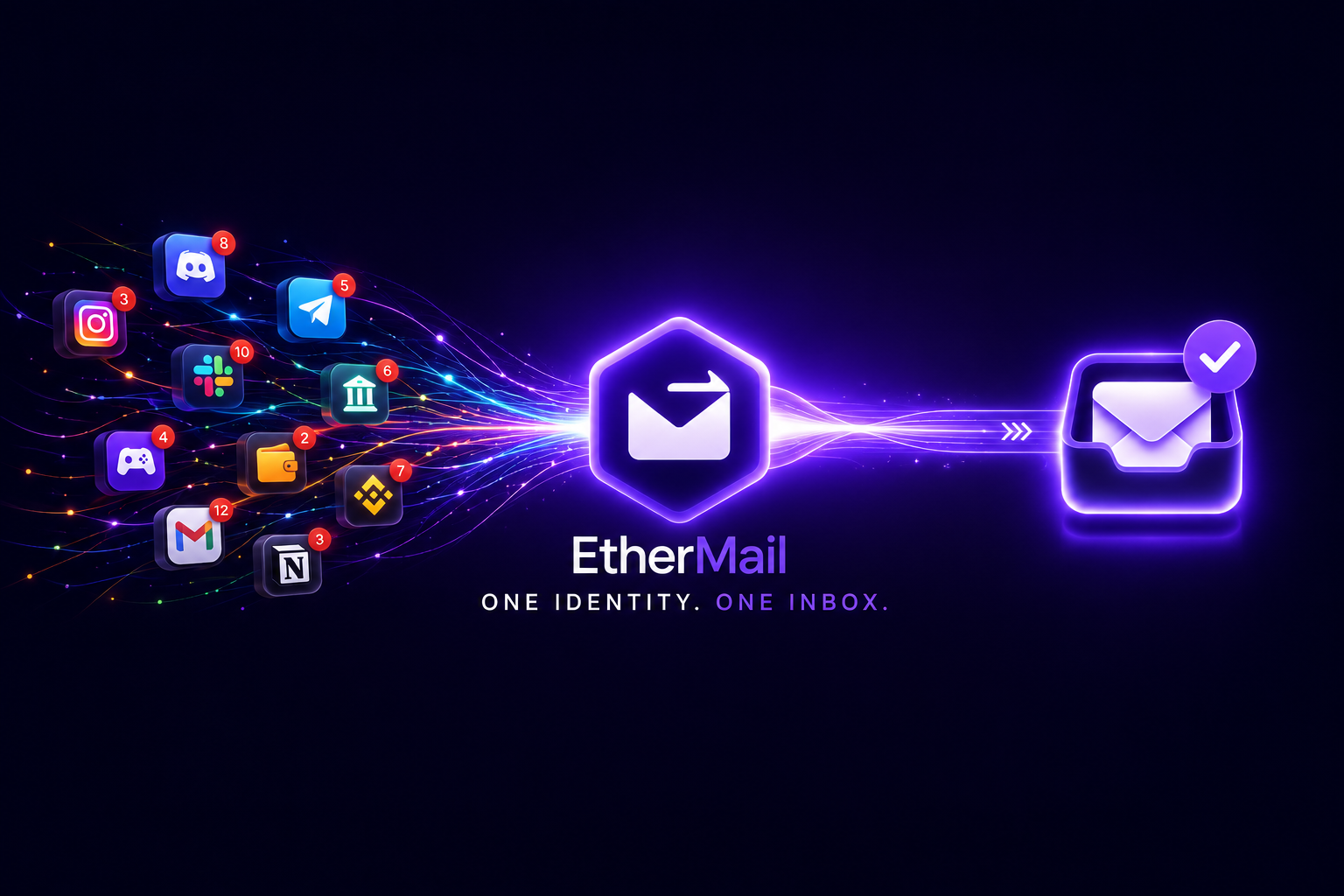
Notifications are scattered across dozens of platforms. Discover why the future of digital communication may revolve around identity-driven inboxes and unified messaging.
Communication Is Becoming Fragmented
The internet has never generated more notifications than it does today.
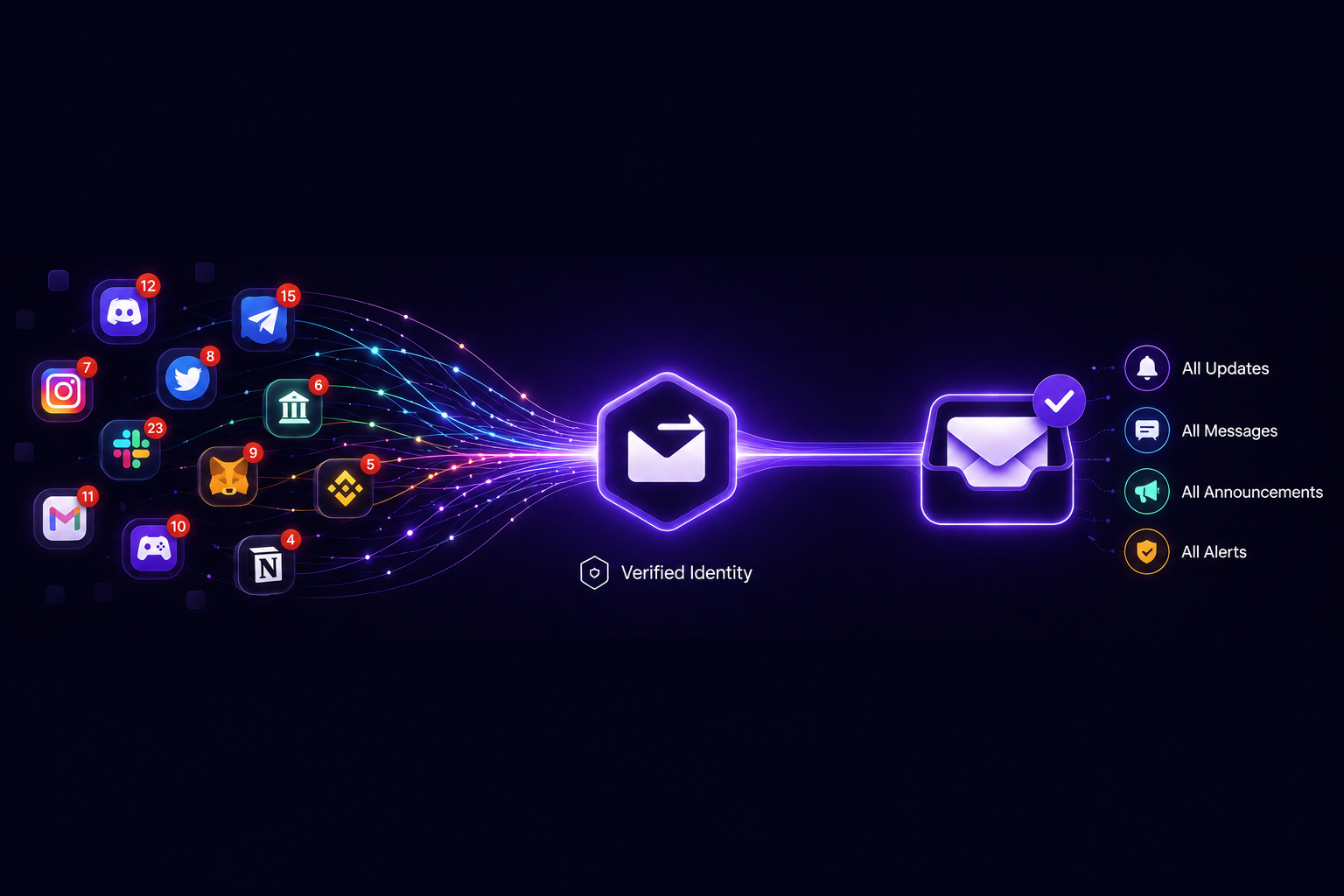
Messages arrive from social networks, messaging applications, governance platforms, blockchain wallets, exchanges, games, productivity tools, and countless other services. Every platform wants attention, every application generates alerts, and every ecosystem creates another stream of information.
The result is an increasingly fragmented digital experience.
Users are expected to monitor multiple channels simultaneously, often switching between applications simply to stay informed.
As digital ecosystems continue to expand, this challenge is becoming harder rather than easier.
The Problem With Too Many Channels
When important information is scattered across dozens of platforms, valuable updates become easier to miss.
A governance vote may appear in one application. A rewards campaign may appear in another. Security notifications may arrive somewhere else entirely. Community announcements may be hidden within a busy chat channel.
The sheer volume of communication creates noise.
Instead of helping users stay informed, many systems compete against one another for visibility.
This problem is particularly noticeable in Web3, where users often participate in multiple ecosystems simultaneously.
The Search for a Universal Inbox
Historically, email became one of the internet's most successful communication tools because it provided a single destination for information.
Regardless of which website or service generated a message, users knew where to find it.
As digital identities evolve, a similar opportunity is emerging.
Rather than tying communication exclusively to social accounts or platform-specific profiles, future systems may increasingly connect messages to verified digital identities. Information could follow the user rather than remaining trapped within individual applications.
This would create a more unified communication experience across fragmented ecosystems.
The Future of Digital Communication
The next generation of internet communication may look very different from today's collection of disconnected notifications.
As digital identity becomes increasingly important, communication systems will need to become smarter, more portable, and more user-centric.
Users want fewer places to check, not more. They want important information delivered efficiently rather than hidden inside dozens of competing platforms.
The future inbox may be far more than a simple messaging tool.
It may become the central hub of a user's digital identity, connecting communities, applications, wallets, and services through a single communication layer.
As the internet continues to evolve, the ability to organise information effectively may become just as important as creating it in the first place.
.jpg)